5 Things to Know About This Free Beat for Profit Called GRIME TIME
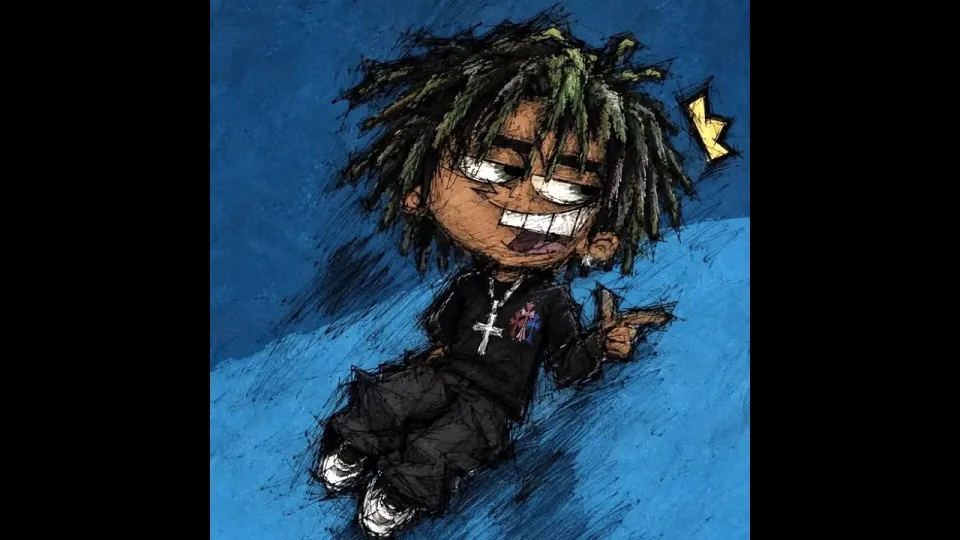
Video: [FREE FOR PROFIT] HARD TRAP BEAT | FREE FOR PROFIT BEATS | HARD TYPE BEAT
Want articles like this for your own video to promote it on YouTube and Google? Order them through the Telegram bot @sat_sit_bot. It writes articles around your video, embeds the video and publishes them on popular niche websites (no ads). Try it free: 50 articles on us.
Key takeaways
- GRIME TIME is a hard trap beat produced by VeixxBeats for the channel osmvexi at 142 BPM in C minor.
- The beat can be used without a lease and keep 100% of profits on YouTube and SoundCloud only.
- Credit must appear in the title as (prod. VeixxBeats).
- Streaming platforms like Spotify and Apple Music require a purchased lease.
- The untagged version is available at bsta.rs/Bzq63K with a Buy 1 Get 1 Free offer.
A free beat for profit is a beat you can download and use commercially at no cost, and GRIME TIME by VeixxBeats, released through the channel osmvexi, is exactly that: a hard trap instrumental at 142 BPM in C minor that you can rap over and monetize on YouTube and SoundCloud while keeping 100% of the revenue. The untagged, higher-quality file sits behind the lease and purchase page on BeatStars, where the producer runs a Buy 1 Get 1 Free offer.
What the free beat for profit GRIME TIME actually is
GRIME TIME is a dark, hard-hitting trap type beat built for aggressive, fast-paced vocal delivery rather than melodic crooning. The specs are concrete: 142 beats per minute, C minor, produced by VeixxBeats and published under the OSMVEXI imprint. That tempo sits above the standard 130–140 BPM trap range, which pushes rappers toward double-time flows, triplet pockets and short, punchy bars instead of long melodic lines. C minor gives the beat its grim character — the key is common in trap because the minor tonality supports menacing piano, string and synth loops without sounding muddy under 808s.
A "type beat" label means the instrumental is styled after the sound of established artists rather than written for one of them; the tags on the release point toward Future and 21 Savage territory, with hard drums, heavy low end and sparse, repetitive melodic motifs. Because the beat is tagged as free for profit, the producer is deliberately giving away commercial usage rights under conditions instead of asking for an upfront payment.
The exact rules for using this free beat for profit
The license terms are short and specific, and they decide whether you can publish without paying anything. They are:
- You may use the beat without a lease and keep 100% of the profit on YouTube and SoundCloud only.
- You must credit the producer in the title with the text (prod. VeixxBeats).
- You need a purchased lease to upload your track to streaming platforms such as Spotify and Apple Music.
- You must not register a copyright claim on your song unless you have bought exclusive rights, or the release will receive a complaint.
The fourth point is the one that catches people out. Content ID and distributor claims are automated, so a track built on an unlicensed beat can be flagged even when the producer intended it to be free. If your distributor asks you to confirm you own or license every element of the recording, a free-for-profit beat does not satisfy that check — a lease does.
Why 142 BPM in C minor matters for your verse
Tempo and key are not trivia; they change how you write. At 142 BPM, a standard 4/4 bar lasts roughly 1.69 seconds, so a 16-bar verse runs about 27 seconds — short enough that you need a hook or a beat switch to keep a full song moving. Double-time flows fit naturally here, and so do choppy, ad-lib-heavy patterns in the style of hard trap records. In C minor, the tonic sits low enough that a deep male vocal recorded in the same register can clash with the bass; many engineers pitch the vocal performance up slightly or carve out low mids around 150–250 Hz to keep the 808 and the voice separate. If you are writing in a different key, transposing the vocal is usually easier than transposing the beat.
Common questions from listeners before they download
Producers who post free-for-profit beats get the same handful of practical questions, and the answers usually come down to the license text rather than the music. The most frequent ones concern streaming, mixing help and whether a free beat can really be used commercially at all.
On streaming: a listener asking whether a free-for-profit beat can go to Spotify is asking the right question, and the answer here is no without a lease. YouTube and SoundCloud monetization is permitted; DSP distribution is not. On mixing: the free download is typically a tagged or lower-bitrate file, which is fine for writing and demos but not ideal for a final master — the untagged version comes with the purchase. On commercial use: "free for profit" means the producer waives the upfront fee, not the credit requirement, so the (prod. VeixxBeats) tag in your title is mandatory, not optional. On style: listeners regularly ask for crossovers, such as a trap and dancehall blend with a melodic top line, which is a request for a future beat rather than a change to this one.
How to download and credit the beat correctly
The workflow is simple if you follow it in order:
- Open the BeatStars page for GRIME TIME to reach the untagged file and the lease options.
- Download the free version for writing, or buy the lease if you plan to distribute to Spotify, Apple Music, Deezer or similar platforms.
- Name your upload with the credit in the title, for example "Your Song (prod. VeixxBeats)".
- Do not submit a copyright claim through your distributor unless you hold exclusive rights.
- Keep a record of the purchase or the free-use terms in case a platform asks for proof.
If you want to reach the producer directly, the contact routes listed with the release are Instagram at instagram.com/bankrollveixx and the email osmvexi@gmail.com.
All official links for this release
- Untagged beat and lease purchase (Buy 1 Get 1 Free): https://bsta.rs/Bzq63K
- Producer Instagram: https://www.instagram.com/bankrollveixx/
- Contact email: osmvexi@gmail.com
- Video source: https://www.youtube.com/watch?v=DT8E-qLh2xg
Final take on this free beat for profit
GRIME TIME is a usable, professionally structured hard trap instrumental at 142 BPM in C minor, and its free-for-profit terms are unusually clear: monetize on YouTube and SoundCloud, credit (prod. VeixxBeats), and buy a lease before touching streaming platforms. The restrictions are narrow and easy to follow, which makes it a low-risk starting point for a first release or a quick single. The channel osmvexi, working with producer VeixxBeats, publishes these beats with the license spelled out in the description rather than buried in fine print, which is more than many free beat uploads offer. If the tempo and mood fit your style, grab the untagged file and check the lease options before you record your final vocal.
Questions & answers
Can I upload a song using this free beat for profit to Spotify?
Not without a lease. The free-for-profit terms cover YouTube and SoundCloud only, with 100% of the profit kept by the artist. Distributing to Spotify, Apple Music or any other streaming service requires a purchased lease from the BeatStars page linked with the release.
What credit do I have to give when using GRIME TIME?
The credit must appear in the title of your upload as (prod. VeixxBeats). It is a condition of the free-for-profit license, not a courtesy, so a track posted without it is outside the terms even though no money changed hands.
Can I copyright my song if the beat was free?
No. Registering a copyright claim on a song built on this beat without exclusive rights will trigger a complaint. If you need full ownership and the ability to claim, you have to buy exclusive rights rather than rely on the free-for-profit usage.
Is 142 BPM in C minor good for hard trap vocals?
Yes, it suits fast, aggressive delivery. At 142 BPM a 16-bar verse lasts about 27 seconds, which favors double-time flows and short, punchy patterns. In C minor, watch the low mids so your vocal does not fight the 808s.
Source: [FREE FOR PROFIT] HARD TRAP BEAT | FREE FOR PROFIT BEATS | HARD TYPE BEAT · Markdown version